
Bridging the Digital Divide: A Community Blueprint for Accessible Future Tech
The digital divide isn’t shrinking on its own. Millions still struggle with spotty rural broadband, pricey devices, or tech that just doesn’t fit their needs. At Rinzellular, we’re laying out a clear path to digital inclusion with practical ideas on affordable connectivity, accessible technology, and community-driven solutions. Ready to see how you can help shape a future where everyone gets to join in? Learn more.
Understanding Barriers to Digital Access

Let’s dive in and identify key hurdles that keep people from fully participating in our tech-driven world. By understanding these barriers, we can start crafting solutions that truly make a difference.
Tackling Rural Broadband Challenges
Access to the internet is still a dream for many living in rural areas. Imagine trying to download an important document only to have it fail due to slow speeds. This is the reality for millions who deal with outdated infrastructure. In some places, broadband speeds don’t even meet the basic definition of high-speed internet. To bring change, communities are looking at cooperative models where local groups come together to boost connectivity. One example is a town in Georgia that pooled resources to lay their own fiber optic cables. Here’s the key insight: Community-driven projects can fill the gaps left by larger internet providers.
Overcoming Affordability Hurdles
Cost is another major roadblock. Devices and internet plans can be prohibitively expensive. For many, choosing between paying bills and staying connected is a monthly dilemma. Initiatives like low-cost device programs help bridge this gap. For instance, some organizations refurbish old devices and distribute them at minimal costs. Families benefit from these programs by gaining access to technology that was previously out of reach. The longer you wait to address these issues, the wider the gap becomes. Don’t let cost keep anyone offline.
Bridging Tech Literacy Gaps
Knowing how to use technology is just as crucial as having access to it. Some folks never had the chance to learn computer basics. Tech literacy programs can change this. They offer courses in simple, everyday tech skills. For example, libraries often host free classes that range from basic computer use to advanced digital tools. Most people think technology is intuitive, but that’s not the case for everyone. Here’s what you need to know: Skills are as valuable as the tech itself.
Building a Framework for Inclusion
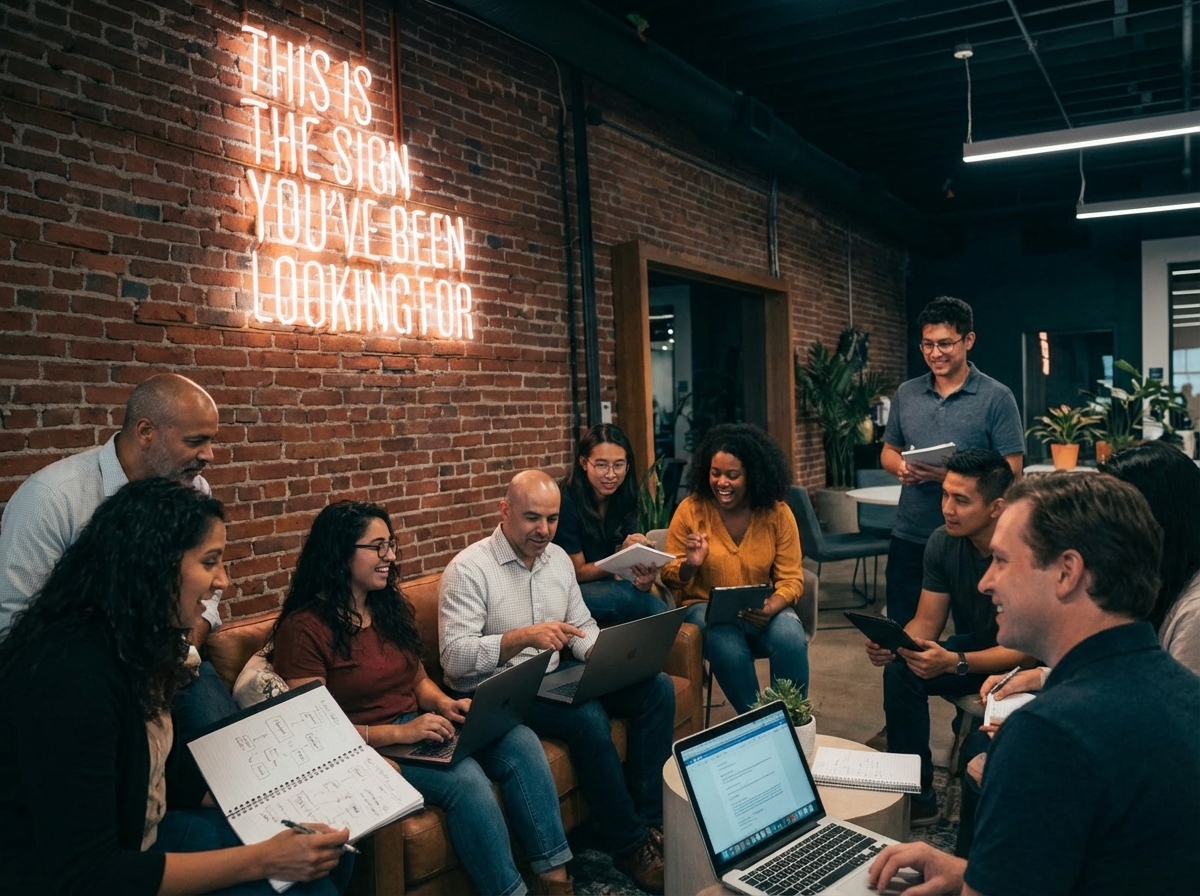
Once we understand the barriers, we can start paving a path toward inclusion. This involves designing tech that everyone can use and crafting policies that support these designs.
Designing for Accessibility and Universal Design
Designing technology that everyone can use shouldn’t be an afterthought. Universal design principles focus on creating tools that work for people of all abilities. For example, smartphones with voice-to-text features help those with visual impairments engage with technology more easily. When products are inclusive from the start, everyone benefits. Remember, accessible technology isn’t just for those with disabilities; it simplifies life for all users.
Fostering Community Wi-Fi and Tech Hubs
Local tech hubs are springing up everywhere, offering reliable internet and a space to learn. These hubs often provide free Wi-Fi and access to computers. A town in Tennessee created a hub in a renovated library, which quickly became a communal space for learning and connection. Community Wi-Fi projects are not just about internet access; they’re about bringing people together. The big takeaway here is that shared spaces encourage shared knowledge.
Crafting Policy for Inclusion and Public-Private Partnerships
Policies play a crucial role in digital inclusion. Governments can partner with private companies to make tech accessible to all. For instance, a city might work with a telecom company to provide affordable broadband to underserved areas. These partnerships are vital for scaling inclusive solutions. Most people think policy change is slow, but with the right partners, it can be swift and effective.
Engaging the Community for Solutions

Solving these issues takes more than just top-down approaches. It requires community involvement and grassroots solutions that resonate with local needs.
Sharing Stories of Device Refurbishing and Low-Cost Devices
Device refurbishing can be a game-changer. Take the story of a nonprofit in California that refurbished hundreds of laptops and distributed them to students in need. These efforts not only provide much-needed tech but also extend the life of existing devices. Consider these insights: Refurbishing is sustainable and makes technology more accessible.
Promoting Digital Skills Training and AI Accessibility
Training programs help people keep pace with tech changes. Workshops on digital skills and AI can open up new possibilities. In a recent session at a local college, participants learned how AI can assist in daily tasks, making technology feel less intimidating. Here’s something to consider: Skill training can empower individuals, turning tech users into tech creators.
Inviting Contributions to Rinzellular’s Digital Inclusion Series
Rinzellular invites you to share your stories and solutions. Your insights can inspire others and drive change. Whether it’s a program you started or a community project, your experience is valuable. Join us in creating a resource that helps everyone navigate the digital world. Ready to make a difference? Let’s work together to build a future where everyone is included.
By understanding and addressing these barriers, we pave the way for a more connected, inclusive future. Let’s keep the conversation going and make tech accessible for all.